Herniated Disc
Reduces nerve compression and helps disc material retract toward center.
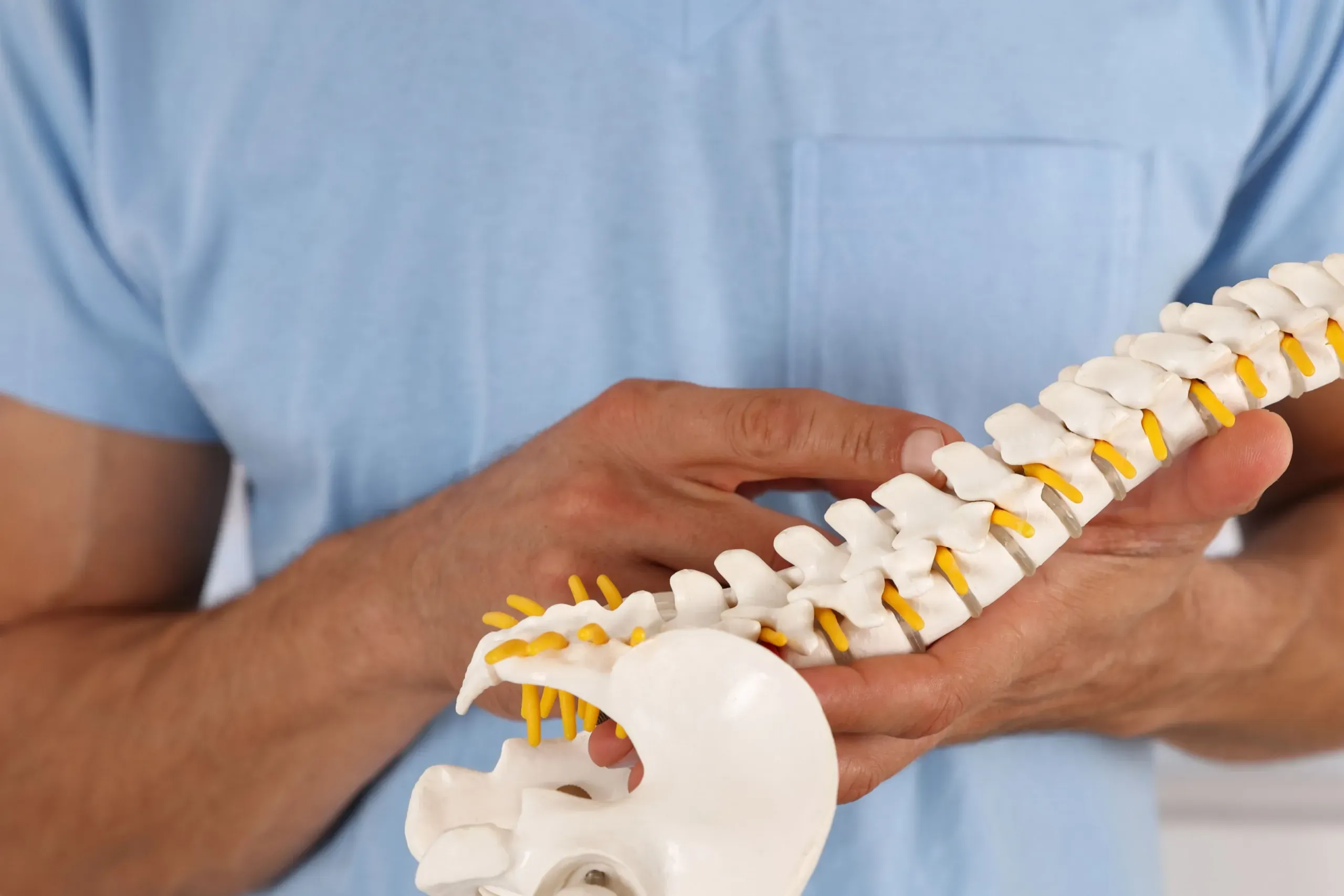
Non-surgical disc therapy for lasting back and neck relief.
Understanding Disc Compression
Living with a herniated disc, sciatica, or spinal stenosis can feel relentless. Shooting pain may run down your leg or arm, simple tasks like bending to tie a shoe trigger sharp spasms, and sitting through a workday becomes punishing. Many patients tell us they have tried rest, anti-inflammatories, and physical therapy without lasting relief. Sleep is disrupted, exercise is avoided, and the looming question becomes whether surgery is the only path forward. The compressed disc is pressing on a nerve, and your body is asking for help.
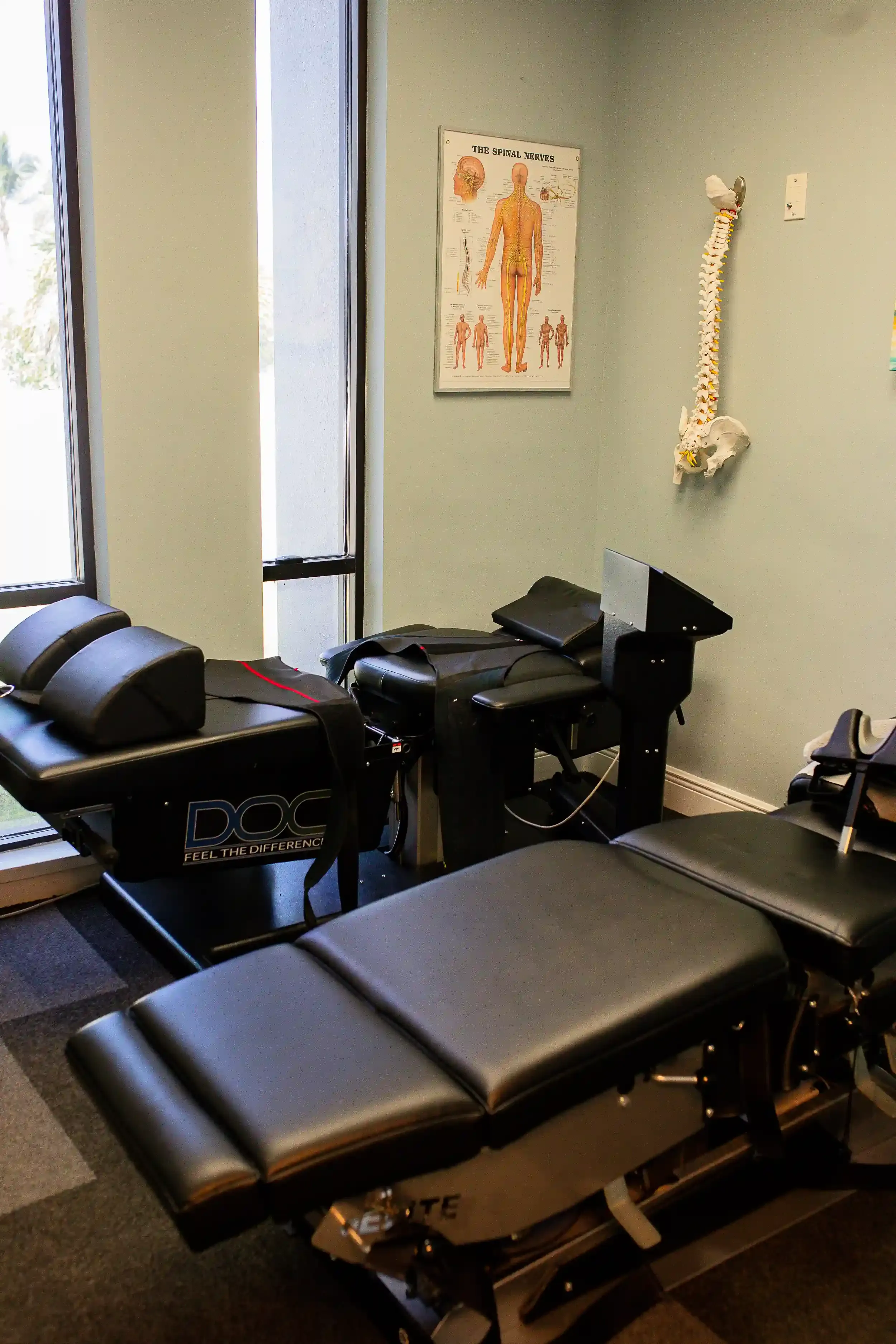
Spinal decompression therapy offers a non-surgical alternative that addresses the root mechanical cause. A computer-controlled traction table gently stretches the spine in precise cycles, creating negative pressure inside the disc. That suction effect can pull herniated material back toward the center, reduce nerve compression, and draw in oxygen, water, and nutrients that promote healing. Dr. David adjusts the angle, force, and rhythm based on your specific disc level, often combining decompression with chiropractic adjustments to complement decompression and stabilize the spine.
The Science of Negative Intradiscal Pressure
Spinal decompression is a non-surgical, FDA-cleared form of motorized traction that uses computer-controlled tables (such as the DRX9000 and Triton DTS systems) to relieve pressure on spinal discs and nerves. Unlike basic traction, decompression cycles the pull on and off in carefully timed intervals to avoid muscle guarding and produce a true unloading effect at the targeted disc level. According to the National Center for Complementary and Integrative Health, non-surgical spinal therapies are widely used for low back and neck pain when surgery is not warranted.
During treatment you lie on a motorized table with a harness around your pelvis or shoulders. The table applies a precise distraction force that gently elongates the spine, creating negative intradiscal pressure (a slight vacuum effect inside the disc). This vacuum encourages the gel-like nucleus pulposus to retract toward the center of the disc, taking pressure off pinched nerves. The negative pressure also promotes the diffusion of water, oxygen, and nutrients into the disc, which is normally poorly vascularized and slow to heal.
Dr. David programs the table based on your imaging, symptoms, and the specific disc level involved. Sessions are quiet and relaxing. Most patients describe a gentle, rhythmic stretch, not a yank. Many close their eyes or rest comfortably through the entire cycle.
Most patients begin to notice reduced leg or arm pain within the first 4 to 6 sessions. A full protocol typically runs 15 to 20 sessions over 6 to 8 weeks, often paired with corrective exercises to stabilize the gains.
Lasting Relief Without Surgery
2000+ Satisfied patients
Avoids the costs, downtime, and risks of disc surgery for most patients.
Targets the mechanical cause of pain without opioids or muscle relaxants.
Performed on computer-controlled, FDA-cleared decompression equipment.
Negative pressure draws water and nutrients back into the disc.
Most patients regain bending, sitting, and walking comfort during care.
Gentle, painless cycles that many patients find genuinely restful.
Compare Your Options
| Treatment | Mechanism | Time | Results | Duration | Downtime | Best For |
|---|---|---|---|---|---|---|
| Spinal Decompression | Negative intradiscal pressure | 20-30 minutes | Within 4-6 sessions | Months to years | None | Herniated disc, sciatica |
| Disc Surgery | Surgical disc removal | 1-3 hours | Immediate, then recovery | Permanent structural change | Weeks to months | Severe nerve damage |
| Epidural Injection | Anti-inflammatory steroid | 15 minutes | Days to weeks | Weeks to months | 1-2 days | Acute flare-ups |

Finding Your Best Path to Relief
Spinal decompression is well-suited for adults with disc-related pain who want to avoid surgery and opioids. During your consultation, Dr. David will review your imaging, perform a neurological exam, and confirm whether decompression is appropriate for your spine.
For absolute contraindications, surgical or medical care is required first. Dr. David coordinates with your physician when needed to ensure decompression is both safe and effective. According to the American Chiropractic Association, conservative non-surgical care is the recommended first-line approach for most non-emergent disc pain.
Step-by-Step Process
Dr. David reviews your imaging, runs a focused exam, and selects the target disc level.
Dr. David positions you on the decompression table and fits a pelvic or cervical harness.
The computer cycles distraction force on and off, creating negative pressure at the disc.
Dr. David adds adjustments, ice, or rehab exercises to lock in the gains.
You will discuss progress, home-care guidance, and plan your next session.
Restores disc height and hydration in aging discs that have lost their cushioning, reducing the chronic ache and stiffness associated with disc degeneration.
What to Know
Some patients report mild muscle soreness, temporary stiffness, or a brief increase in symptoms during the first 1 to 3 sessions as the spine adapts. These effects typically resolve within 24 to 48 hours and tend to diminish as care progresses.
Serious complications are very uncommon (well under 1 percent in published reports). When they occur, they usually involve patients with undiagnosed contraindications such as severe osteoporosis, active fracture, or unstable spinal hardware, which is why thorough screening is essential.
Modern decompression tables are FDA-cleared Class II medical devices. Dr. David's neuroscience and NCV/EMG diagnostic background allows him to identify the rare patient for whom decompression is not appropriate, refer when needed, and minimize risk for everyone else. Always tell us if you develop new bowel or bladder changes, progressive weakness, or saddle-area numbness, which require immediate medical evaluation.
Spinal decompression in the Tampa Bay area typically ranges from $75 to $200 per session, depending on the provider, equipment, and whether adjunct therapies are bundled. Because disc rehabilitation usually requires 15 to 20 sessions over 6 to 8 weeks, many clinics (including Spine-Ability) offer multi-session packages that significantly reduce the per-visit cost. Your final investment depends on your imaging findings, the number of levels treated, and whether adjustments, laser, or rehab exercises are added to the plan.
Insurance coverage for spinal decompression varies. Some commercial plans cover medically necessary decompression when prior conservative care has failed; others classify it as non-covered. Florida Personal Injury Protection (PIP) auto insurance frequently covers decompression after a motor vehicle accident, and we work directly with PIP carriers and attorneys to streamline your care. We also welcome VA Community Care patients and active service members through approved referral pathways.
We believe spine care should be accessible. Spine-Ability offers:
See our full payment options at Spine-Ability page for current details.
Apollo Beach and Riverview's Trusted Provider
Dr. David's Scranton neuroscience training informs every decompression protocol.
On-site nerve testing helps pinpoint the level driving your radiating pain.
Proud to serve VA Community Care patients and active service members.
Decompression paired with adjustments and rehab for lasting structural results.
Decompression therapy is available at both our Apollo Beach and Riverview clinics, with appointment times designed to accommodate working patients and busy family schedules.
Complement your spinal decompression with these complementary therapies.
Hands-on spinal adjustments using Diversified, Gonstead and Activator techniques to restore alignment, calm nerve pressure and free up motion.
Learn MoreRoller-based traction tables that gently flex each spinal segment to restore motion and ease tension before a manual adjustment.
Learn MoreInstrument-assisted myofascial release and trigger-point work paired with adjustments to release tension and improve mobility.
Learn MoreYour Questions Answered
Spinal decompression is a non-surgical, FDA-cleared traction therapy that uses a computer-controlled table to gently stretch the spine, creating negative pressure inside the disc to relieve nerve compression and promote healing.
Most patients describe sessions as gentle and relaxing. The table cycles distraction force on and off slowly so muscles do not guard. Some report mild soreness for 24 to 48 hours after the first one or two visits.
Most disc protocols run 15 to 20 sessions over 6 to 8 weeks, often paired with chiropractic adjustments to complement decompression and rehab exercises. Dr. David tailors the count to your imaging and response to early visits.
Decompression is most commonly used for herniated and bulging discs, sciatica, spinal stenosis, degenerative disc disease, and persistent lower back or neck pain that has not responded to other care.
No. It is not appropriate during pregnancy or with severe osteoporosis, spinal fusion or hardware at the treatment level, spinal tumor, fracture, or progressive neurological symptoms. Dr. David screens carefully and refers when needed.
Coverage varies. Many PIP auto-injury claims and approved VA Community Care patients are covered. Commercial insurance varies by plan. Our team will verify benefits before you begin care.
Yes. Decompression pairs well with chiropractic adjustments in Apollo Beach and Riverview and therapeutic exercises. Dr. David designs a layered plan based on your goals.