Acute Trauma (Twist or Fall)
A planted foot that pivots wrong, a tackle, a fall from a bike or a hard contact that exceeds tissue tolerance in one moment.
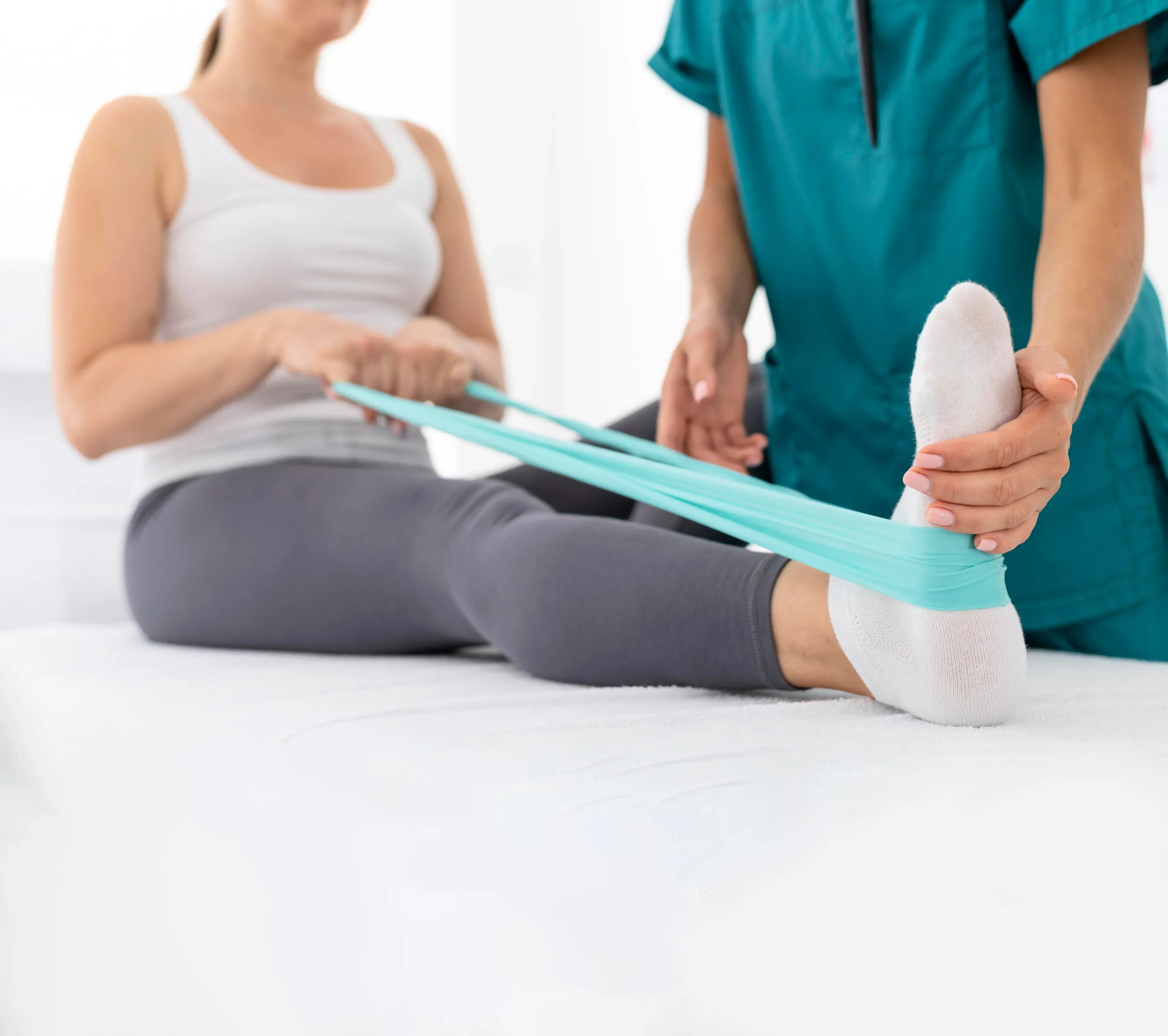
Chiropractic, laser and shockwave care for athletes of every level
Acute and overuse injuries affect every athlete eventually
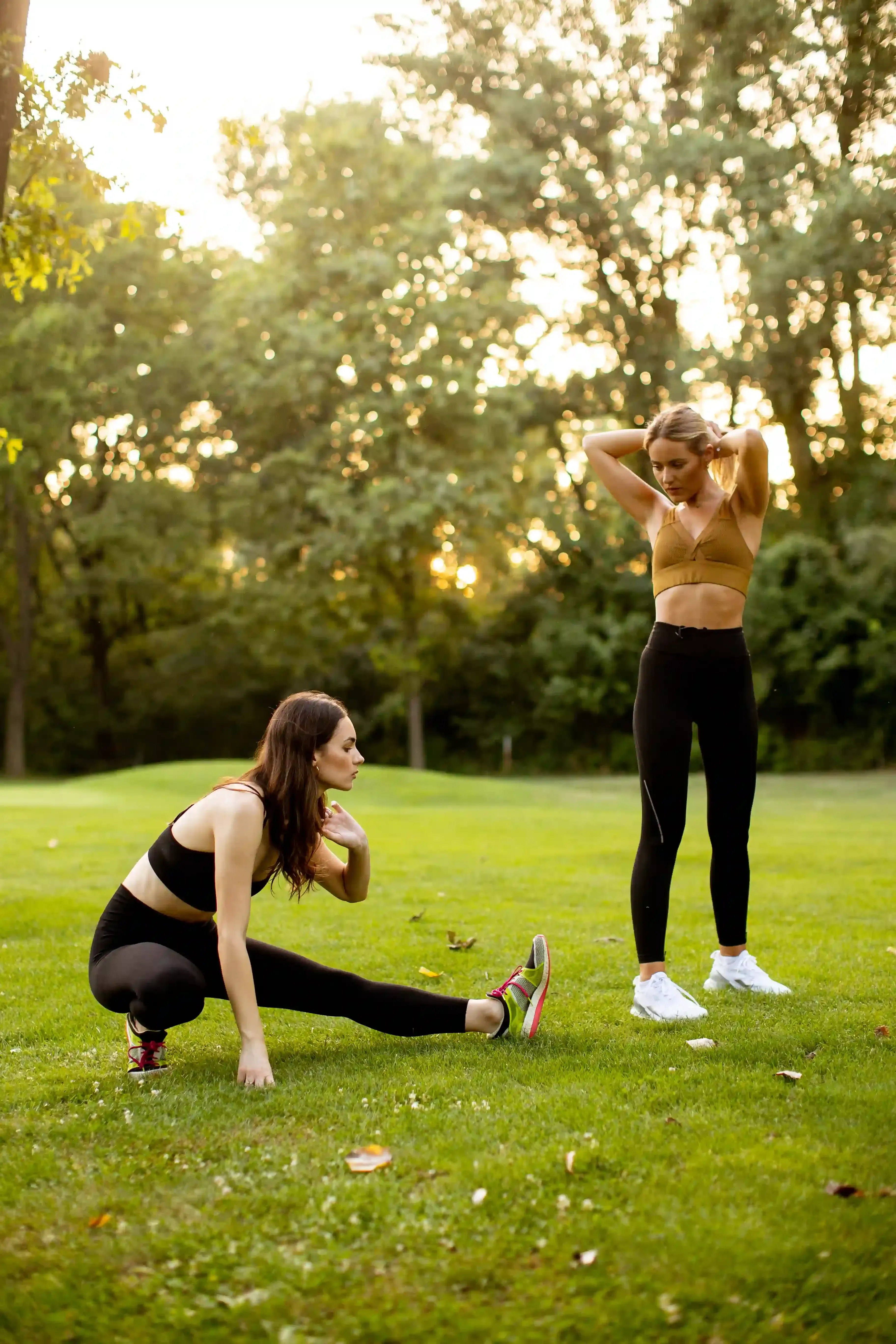
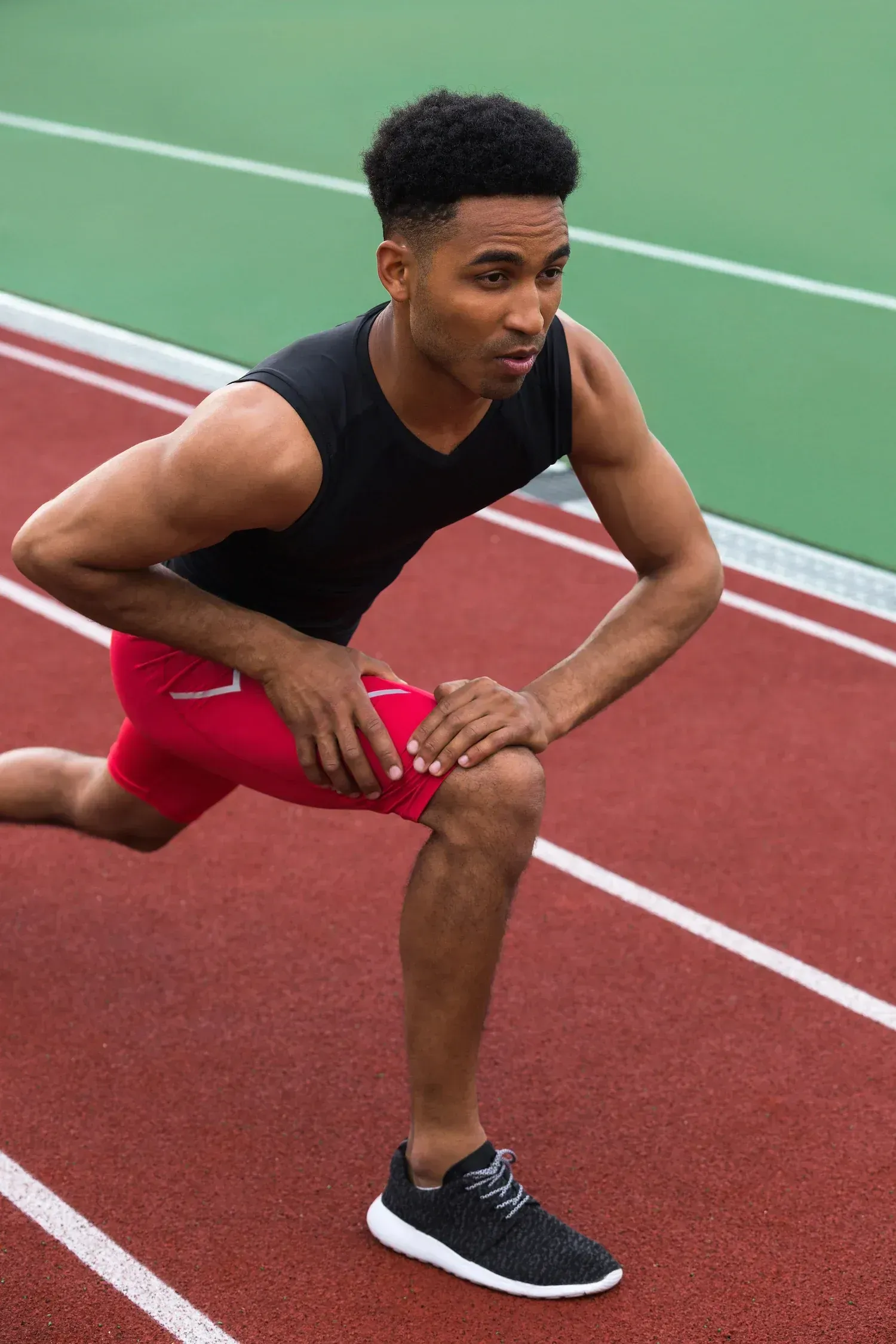
Sports injuries fall into two broad camps. Acute injuries happen in one moment: a rolled ankle on the soccer field, a hyperextended knee on the basketball court, a torn rotator cuff swinging a kettlebell. Overuse injuries build slowly from repetitive stress: tennis elbow from a weekend league, runner's knee from training for a 10K, shoulder tendinopathy from morning swim laps. We see weekend warriors who push hard on Saturdays, youth athletes piling on travel-team volume, and masters athletes managing decades of wear while staying competitive. We treat athletes from Apollo Beach, Riverview, Tampa, Brandon, Ruskin, Sun City Center, Gibsonton and surrounding Hillsborough County at both Spine-Ability offices.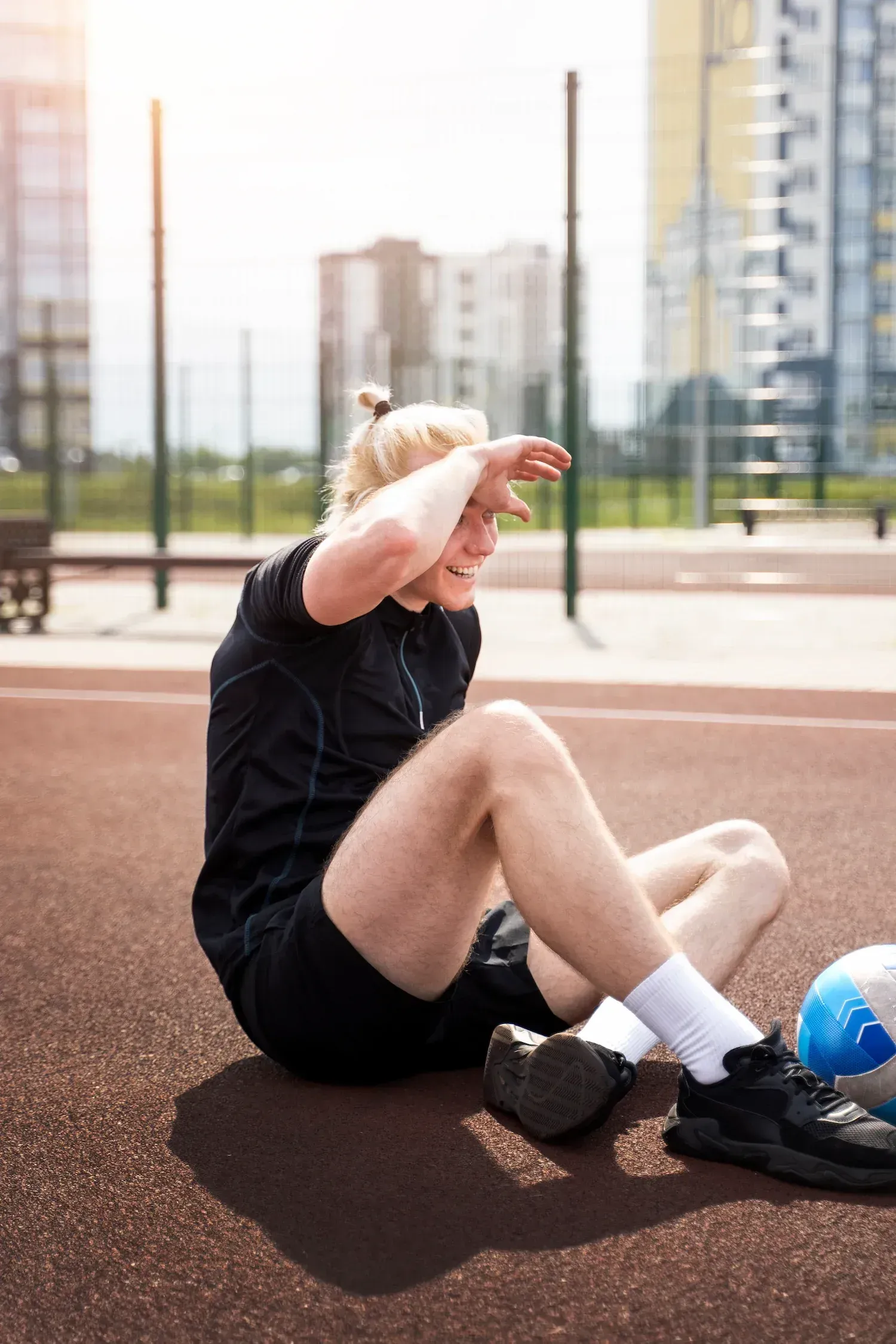
Most sports injuries trace back to a mismatch between load and tissue capacity. Sudden ramp-ups in training volume, skipped warm-ups, muscle imbalances built from one-sided sports, poor footwear, and previous unhealed injuries all stack the deck against your tendons, ligaments and joints. Fatigue at the end of a game or training session is another common trigger.
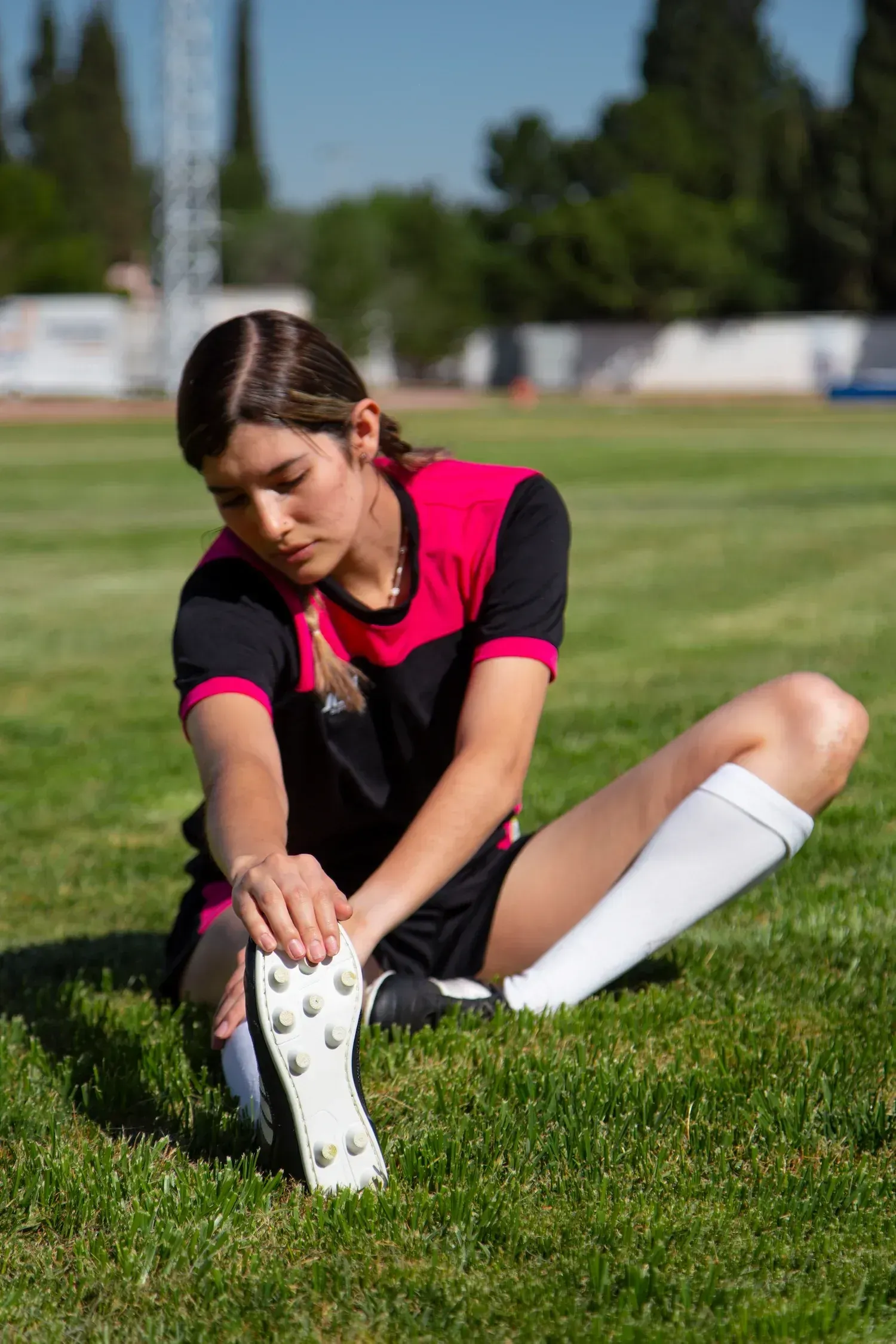
Modern sports medicine uses objective return-to-play criteria, not just pain levels. Full pain-free range of motion, strength at 90 percent or better compared to the uninjured side, sport-specific movement testing and a graded progression back to practice all matter before competition. Call our clinic for same-day evaluation when pain limits movement, swelling does not improve in 48 hours or a recurring injury keeps flaring up. Go to the emergency room instead for obvious deformity, inability to bear weight at all, head injury with confusion or loss of consciousness, suspected fracture or open wounds.
| Treatment | Best For | Session Time | Results Timeline | Maintenance |
|---|---|---|---|---|
| Shockwave Therapy | Chronic tendinopathy, plantar fascia, tennis elbow, jumper's knee | 15-20 min | Noticeable improvement in 3-4 sessions | Series of 4-6 sessions, occasional tune-ups |
| Class IV K Laser Therapy | Acute strains, sprains, inflammation, post-workout recovery | 8-12 min | Pain relief within first 1-2 sessions | 6-12 session series for full tissue healing |
| Therapeutic and Rehabilitative Exercises | Strength deficits, imbalances, return-to-sport progression | 20-30 min | Strength gains in 2-4 weeks | Ongoing home program plus periodic in-office check-ins |
| Soft Tissue Therapy | Muscle adhesions, trigger points, scar tissue, post-game tightness | 15-25 min | Immediate relief, lasting change over 3-6 visits | As needed during competitive seasons |
Recognize these signs so you know when to come in
Sprains, strains, tendinopathies, plantar fasciitis, tennis and golfer's elbow, rotator cuff issues, runner's knee, IT band syndrome, ankle sprains, hamstring pulls and post-concussion neck and back pain. We refer out for suspected fractures and surgical issues.
Yes. Chiropractors are licensed to evaluate musculoskeletal injuries, adjust spinal and extremity joints, apply soft tissue therapy, laser and shockwave, and prescribe rehab exercises. Dr. Ryan Canavan also holds a Master's in Athletic Training.
It depends on the injury. Mild sprains and strains can be back to light activity in days. Tendinopathies usually need 4-8 weeks of progressive loading. We use objective return-to-play criteria rather than pure calendar timelines.
No referral is needed for chiropractic care in Florida. Walk-ins and same-day appointments are available for acute injuries at both Apollo Beach and Riverview.
For the first 48-72 hours after an acute injury, ice in 15-minute windows helps control swelling. After that, heat or alternating contrast can help relax tight tissue. Get evaluated either way so you do not mask a more serious problem.
Many commercial insurance plans cover chiropractic for sports injuries. We also accept VA Community Care and offer self-pay packages. Front desk will verify benefits at your first visit.
Yes. We treat travel-team kids, high school athletes and college-bound students. Parents are welcome in the treatment room, and we coordinate with coaches and athletic trainers when appropriate.
Shockwave uses acoustic pulses to stimulate healing in stubborn tendon and fascia injuries. It feels like a strong tapping sensation. Most patients tolerate it well, and we can adjust intensity throughout the session.