Muscle Overuse and Strain
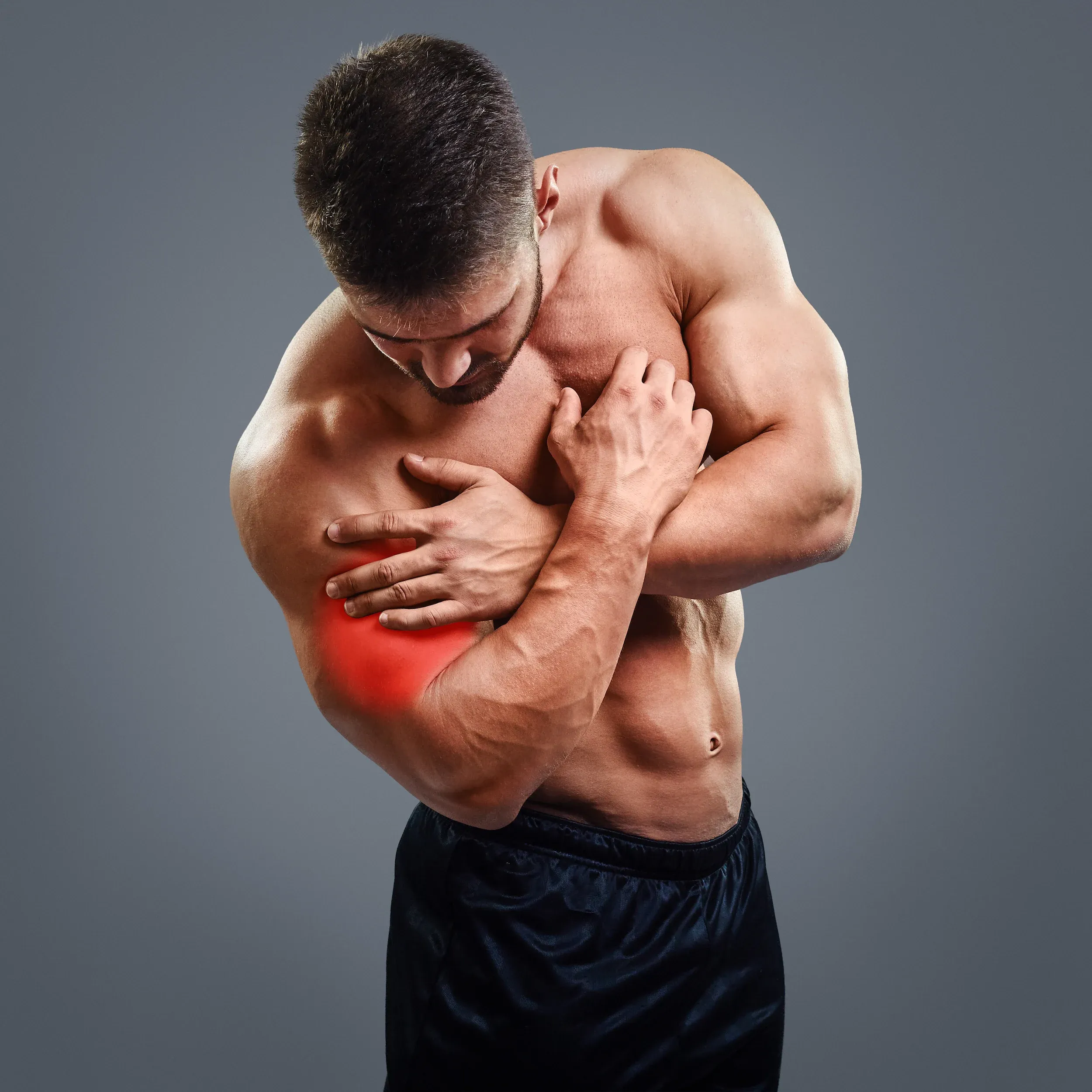
Repetitive movement or heavy exertion fatigues muscle fibers and depletes their energy reserves, making them prone to uncontrolled contraction.

Release Tight Muscles and Restore Comfort

Recognizing the Signs
Muscle spasms are sudden, involuntary contractions of one or more muscles that can range from a brief twitch to a sustained, painful cramp lasting several minutes. They most commonly affect the lower back, neck, calves, hamstrings, and feet, often striking without warning during exercise, at night, or after long periods of sitting.
Most spasms are triggered by dehydration, electrolyte imbalance, muscle overuse, or sustained postural strain. While many resolve on their own, recurring or severe spasms point to deeper neuromuscular issues that benefit from professional evaluation.
At Spine-Ability, we treat patients with muscle spasms across Apollo Beach, Riverview, Tampa, Brandon, Ruskin, Sun City Center, Gibsonton and surrounding Hillsborough County, combining electrical muscle stimulation, soft tissue therapy, and hydromassage to break the spasm-pain cycle and address the underlying cause.

Understanding the Root Causes
Muscle spasms occur when motor neurons fire repeatedly and uncontrollably, forcing the muscle into a sustained contraction it cannot release on its own. This misfiring is often driven by altered electrolyte balance, dehydration, fatigue, or nerve irritation along the spine. According to the National Institute of Neurological Disorders and Stroke, abnormal muscle contractions reflect a disruption in the normal signaling between nerve and muscle fibers.

Red Flags to Watch For
Occasional muscle cramps are common and rarely dangerous, but persistent or widespread spasms can indicate an underlying neurological or systemic condition. Hyperreflexia, where muscles overreact to mild stimulation, may point to upper motor neuron involvement from stroke, multiple sclerosis, or spinal cord injury.
Seek emergency care if muscle spasms appear with sudden weakness on one side of the body, facial drooping, slurred speech, vision changes, or loss of coordination, as these are stroke red flags. Recurring back or neck spasms combined with numbness or shooting pain often trace back to nerve compression that benefits from spinal decompression therapy and targeted rehabilitation.

Expert Care in Apollo Beach and Riverview
Finding Your Best Approach
| Treatment | Best For | Session Time | Results Timeline | Maintenance |
|---|---|---|---|---|
| Electrical Muscle Stimulation | Acute spasm and pain control | 15-20 min | Same session relief | 2-3x per week |
| Soft Tissue Therapy | Trigger points and tight knots | 20-30 min | 1-3 sessions | Weekly to biweekly |
| Hydromassage Therapy | Whole-body muscle relaxation | 15-20 min | Immediate comfort | Weekly |
| Cryotherapy and Heat Therapy | Inflammation and recovery | 10-15 min | Same session relief | As needed |
Recognizing When to Seek Help
About Muscle Spasms
Most spasms come from overuse, dehydration, electrolyte imbalance, poor posture, or pinched nerves. Cold exposure and magnesium deficiency are common contributors to nighttime leg cramps.
Electrical muscle stimulation sends gentle pulses through surface electrodes to fatigue the overactive muscle, flood the area with circulation, and reset the nerve-muscle signaling so the spasm releases.
We pair EMS with soft tissue therapy to release trigger points, hydromassage for full-body relaxation, and cryotherapy or heat to control inflammation. Chiropractic adjustments help when nerve compression is involved.
Many patients feel meaningful relief after one session of EMS combined with soft tissue work. Chronic or recurrent spasms usually need 4-6 visits over two to three weeks for lasting change.
Yes. Staying hydrated, balancing electrolytes, stretching before activity, correcting posture, and treating underlying nerve issues all reduce how often spasms come back.
Most are harmless but persistent or widespread spasms can signal nerve compression or neurological issues. Seek urgent care if spasms occur with sudden weakness, slurred speech, or facial drooping.
Yes. Back and neck spasms are among the most common conditions we treat at both our Apollo Beach and Riverview locations, often as part of broader care for lower back pain or chronic pain.
Many insurance plans, PIP auto coverage, and VA Community Care benefits cover the modalities we use for muscle spasms. We verify benefits at your first visit so there are no surprises.