Patellofemoral Pain Syndrome
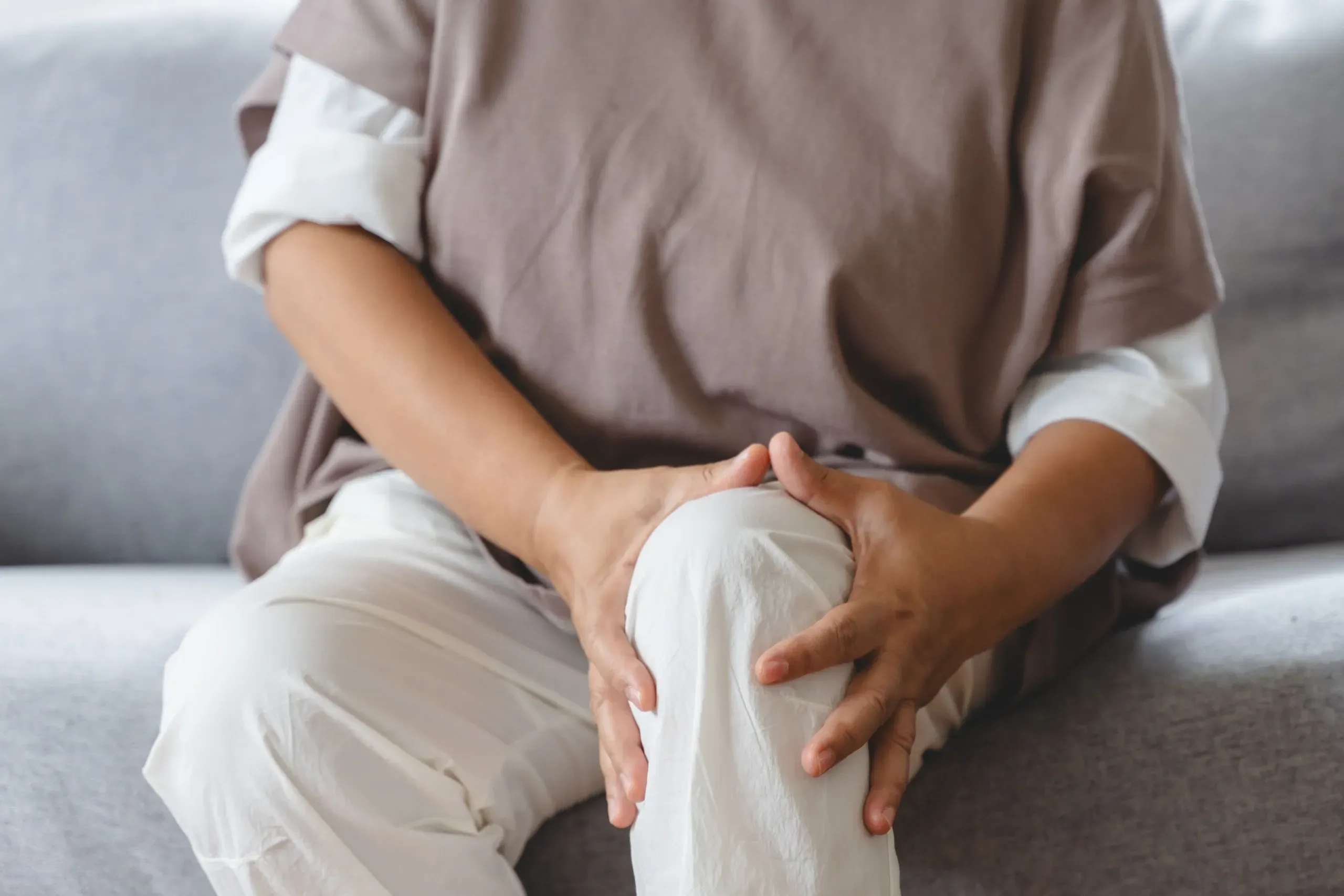
Poor kneecap tracking causes pain at the front of the knee, especially when going down stairs or after sitting for long periods.
Move Without Hesitation Again
Recognizing the Signs
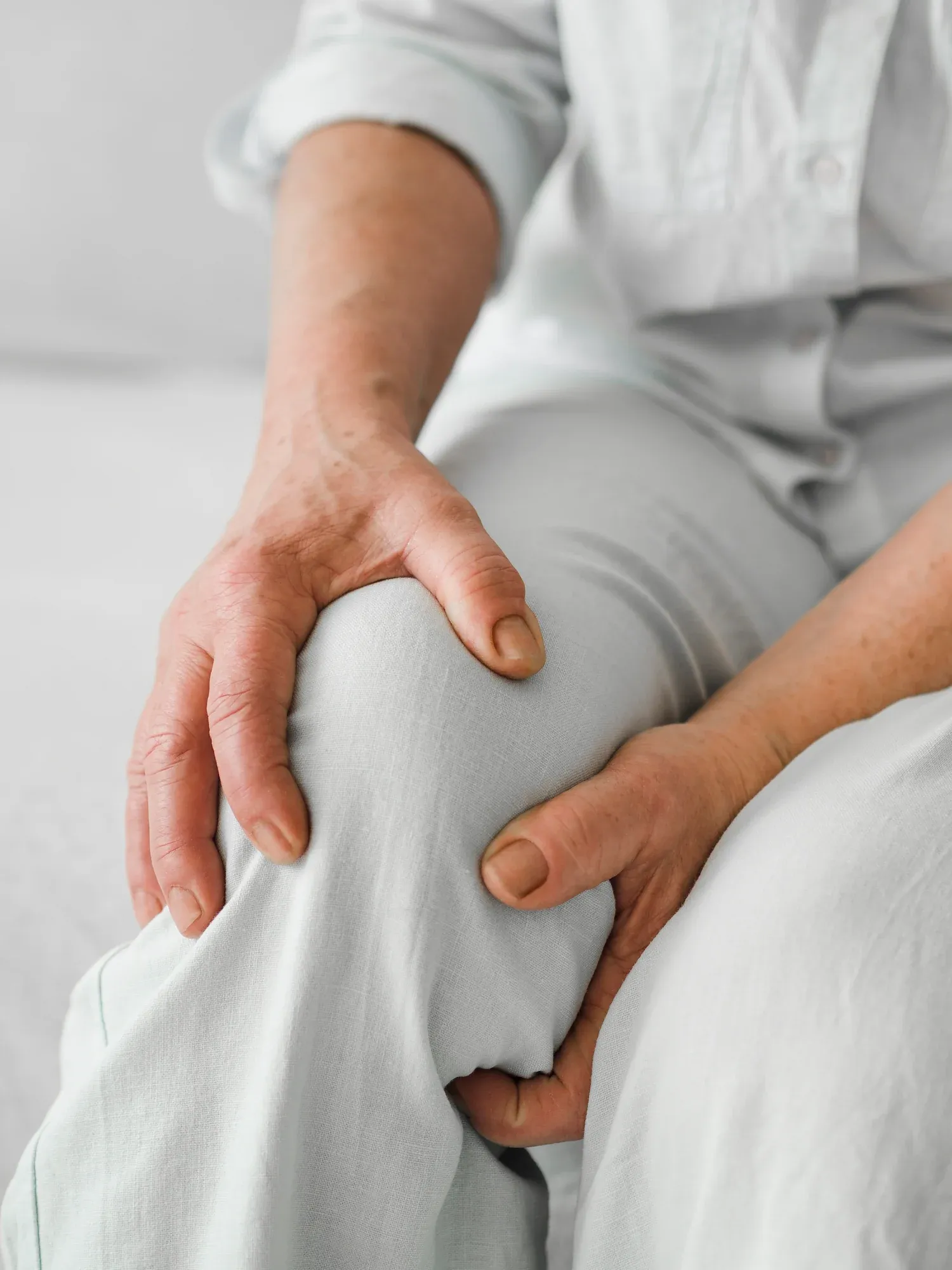
Knee pain is one of the most common musculoskeletal complaints seen in adults, with research published by the National Institutes of Health showing roughly 1 in 4 adults experience persistent knee symptoms during their lifetime. The knee is a load-bearing hinge joint that absorbs forces several times your body weight with every step, so even small alignment, strength, or soft-tissue issues can produce noticeable discomfort.
At Spine-Ability, we see four main categories of knee pain in patients across Apollo Beach, Riverview, Tampa, Brandon, Ruskin, Sun City Center, Gibsonton and surrounding Hillsborough County: knee osteoarthritis (cartilage wear), patellofemoral pain syndrome (kneecap tracking issues), ligamentous strains (MCL, LCL, ACL), and meniscus wear or tears. Each pattern responds best to a slightly different combination of Class IV K Laser therapy, shockwave therapy, and targeted rehabilitative exercises.
Understanding the Root Causes
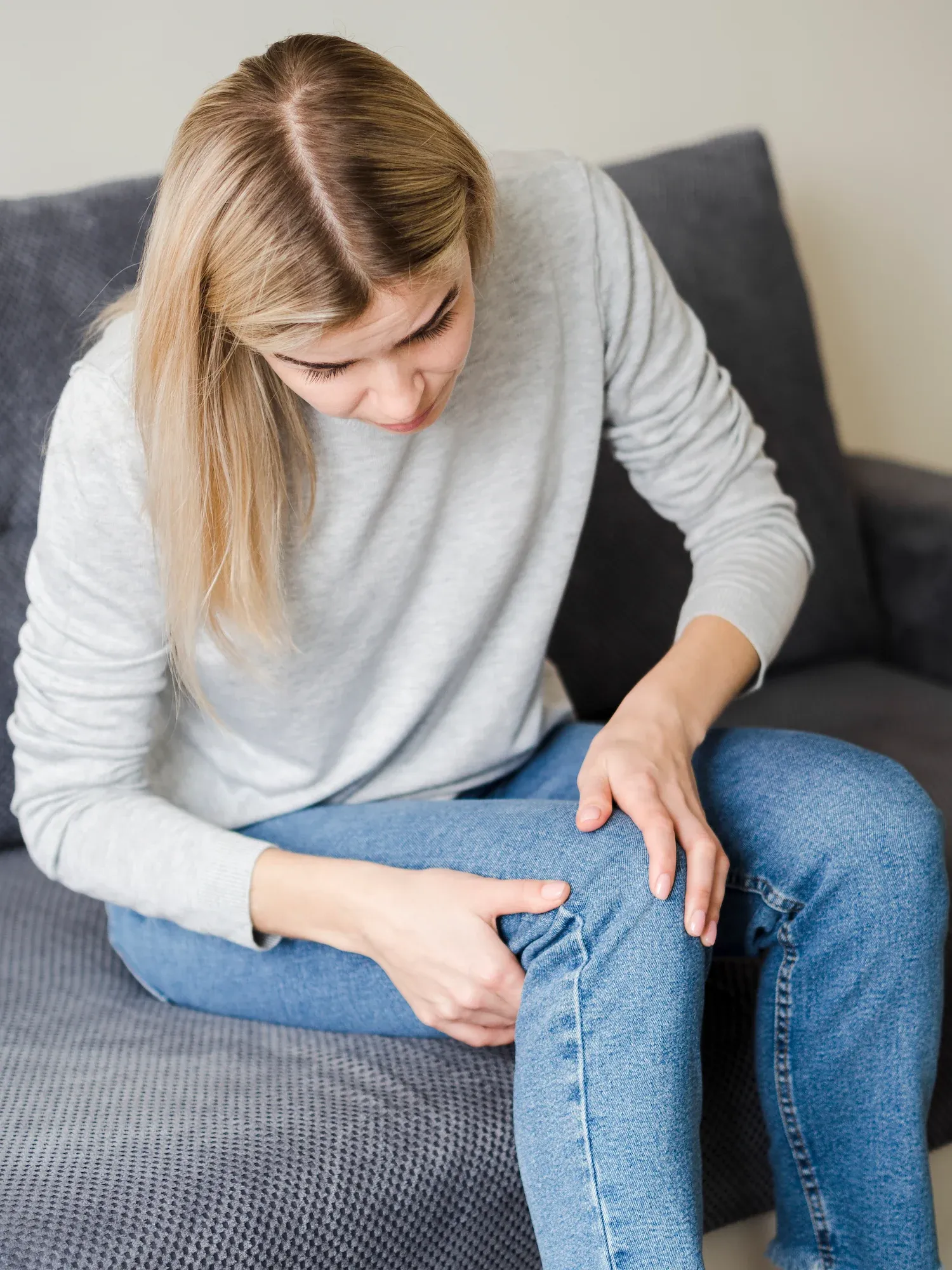
Most chronic knee pain comes from a mismatch between load and tissue capacity. Cartilage thins, tendons get overloaded, muscles around the hip and core become weak, and the kneecap tracks poorly in its groove. Repetitive running, squatting, kneeling, or sudden twisting events compound the problem and inflame the joint capsule.
The American Chiropractic Association recognizes conservative chiropractic care, including soft-tissue therapy and rehabilitative exercise, as a first-line approach for mechanical knee pain before considering injections or surgery.

Red Flags vs Routine Mechanical Pain
Not all knee pain is the same, and knowing when to act matters. Acute trauma with visible deformity, an inability to bear any weight, a clearly unstable joint, or severe swelling within an hour of injury should be evaluated in an emergency room to rule out fracture, dislocation, or major ligament rupture.
Chronic or progressive knee pain that includes a true mechanical block (the knee gets stuck or locked), recurring giving way, or significant night pain warrants an orthopedic referral for imaging and surgical opinion. For everything in between, our team at Spine-Ability provides conservative care including soft tissue therapy and progressive loading to restore comfortable movement.

Expert Care in Apollo Beach and Riverview
Finding Your Best Approach
| Treatment | Best For | Session Time | Results Timeline | Maintenance |
|---|---|---|---|---|
| Class IV K Laser Therapy | Inflammation and joint pain | 10-15 min | 2-4 sessions | As needed |
| Shockwave Therapy | Tendinitis and chronic pain | 10-20 min | 3-5 sessions | Every 6-12 months |
| Soft Tissue Therapy | Muscle tightness and trigger points | 15-25 min | 1-3 sessions | Monthly |
| Therapeutic and Rehabilitative Exercises | Strength and joint stability | 20-30 min | 4-8 weeks | Home program |
Recognizing When to Seek Help
About Knee Pain
Most knee pain comes from one of four patterns: cartilage wear (osteoarthritis), kneecap tracking issues (patellofemoral pain), ligament or meniscus injury, or tendinitis. Hip and core weakness commonly compound all of these.
Yes. Chiropractors trained in extremity adjusting, soft tissue therapy, and rehabilitative exercise routinely manage mechanical knee pain. At Spine-Ability we add Class IV laser and shockwave therapy for tendon and joint cases.
The most evidence-supported conservative options are progressive exercise, manual therapy, and modalities like low-level laser and shockwave. We combine these so the joint feels better and gets stronger at the same time.
Many patients notice meaningful relief in 2 to 4 visits when laser is part of the plan. Tendinitis cases often need 3 to 5 shockwave sessions, and full strength restoration typically takes 4 to 8 weeks.
Complete rest is rarely the answer. Most knee conditions respond best to modified activity plus targeted loading. We help you keep moving while protecting irritated tissues.
Severe trauma with deformity, inability to bear any weight, a true mechanical block (the knee gets stuck), or rapid swelling within an hour of injury all warrant urgent imaging in an ER or orthopedic setting.
Yes. Dr. Ryan Canavan's Athletic Training background makes our practice well suited for runners, lifters, court athletes, and weekend warriors who want to return to sport without losing fitness.
Yes. If your knee pain came from a car accident, we work with PIP and auto insurance. Our front desk can verify benefits before your first visit at either Apollo Beach or Riverview.